
Eye Exams
Comprehensive eye exams
In short
A comprehensive eye exam checks much more than your glasses prescription. Your NVOA doctor measures your vision and eye pressure and examines the retina and optic nerve to detect conditions like glaucoma, cataracts, and macular degeneration — often before you notice any symptoms.
- Visit length
- About 45 minutes to 2 hours, especially if your eyes are dilated
- Bring
- Glasses, contact lens box, medication list, ID, and insurance cards
- Dilation
- Common; blurs near vision and causes light sensitivity for several hours
- Offered at
- Falls Church · Fairfax · Alexandria
What happens during a comprehensive eye exam?
- Vision testing and refraction to determine your prescription
- Checks of how your eyes focus, move, and work together
- Eye pressure measurement
- A dilated look at the optic nerve and retina
- Screening for glaucoma, cataracts, macular degeneration, and diabetic eye disease
- Imaging when needed
How often should I have an eye exam?
For adults without symptoms or risk factors, the American Academy of Ophthalmology recommends a baseline exam at age 40, then exams every 2–4 years from 40 to 54, every 1–3 years from 55 to 64, and every 1–2 years from 65 on. People with diabetes, glaucoma risk, a family history of eye disease, or vision changes need exams more often. Children should have vision screenings at well-child visits and a full exam if a problem is suspected.
Is an eye exam routine or medical?
A routine exam checks vision and updates glasses or contact lens prescriptions and is usually billed to vision insurance. A medical exam evaluates symptoms or manages a condition — such as eye pain, floaters, cataracts, or glaucoma — and is billed to medical insurance.
Frequently asked questions
Can I drive after my pupils are dilated?
Many people can drive after dilation, but vision may be blurry and bright light uncomfortable for several hours. Bring sunglasses, and bring a driver if you are unsure.
What is a refraction and why is there a fee?
A refraction is the measurement used to write a glasses prescription. It is often excluded from medical insurance coverage, so it may be billed separately at the time of your visit.
What is the difference between an ophthalmologist and an optometrist?
An ophthalmologist (M.D.) is a medical doctor who diagnoses and treats eye disease and performs surgery. An optometrist (O.D.) provides eye exams, prescribes glasses and contact lenses, and diagnoses and manages many eye conditions. NVOA has both on the same team.
Doctors who provide this care
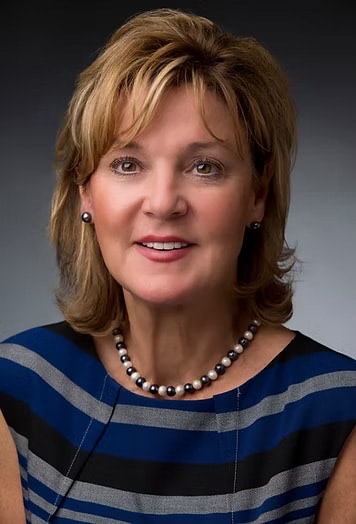
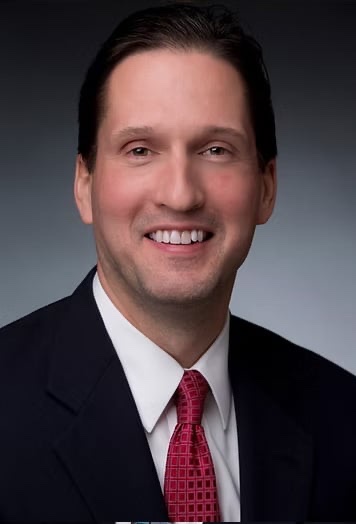
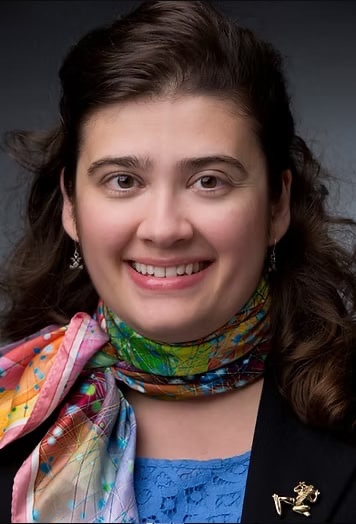
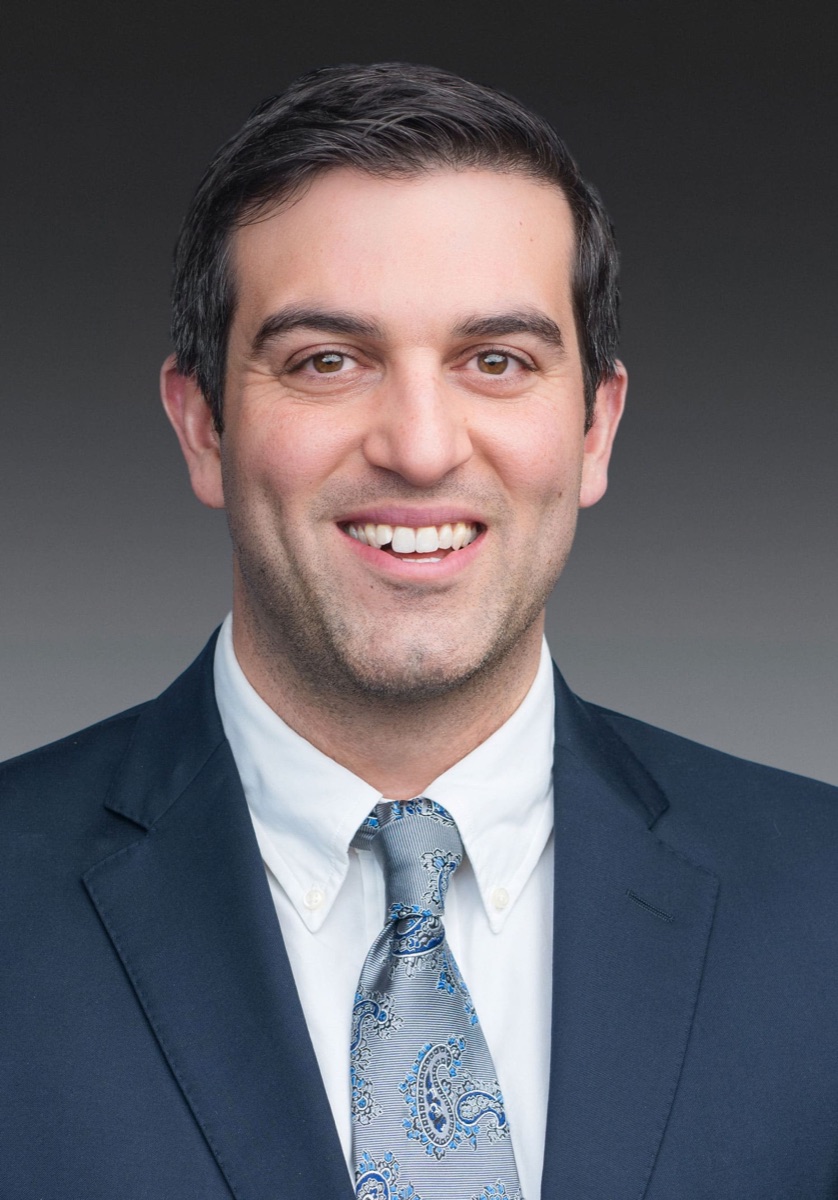
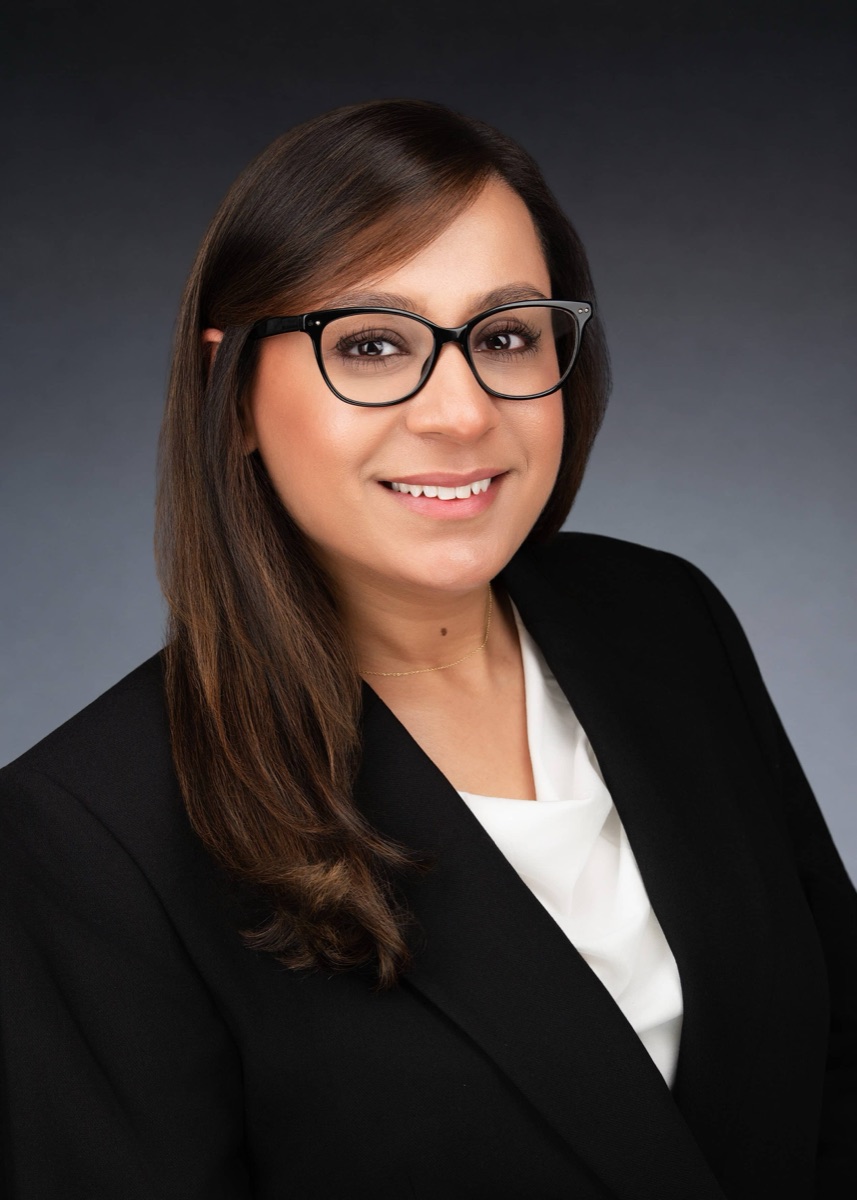
Mary Beth McAteer, M.D.
Cataract and refractive (LASIK/PRK) surgery; comprehensive eye care
- Cataract
- Refractive
- Comprehensive

David J. Forster, M.D.
Uveitis, cataract surgery, and comprehensive ophthalmology
- Uveitis
- Cataract
- Comprehensive
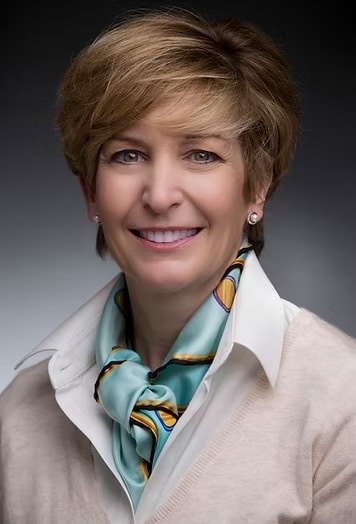
Nancy A. Morrison, M.D.
Pediatric ophthalmology and adult strabismus
- Pediatric & Strabismus
- Oculoplastics

Noureen J. Khan, M.D.
Glaucoma (including MIGS and laser) and cataract surgery
- Glaucoma
- Cataract
- Comprehensive

Patrick A. Kaszubski, M.D.
Glaucoma (including MIGS), cataract, and anterior segment surgery
- Glaucoma
- Cataract
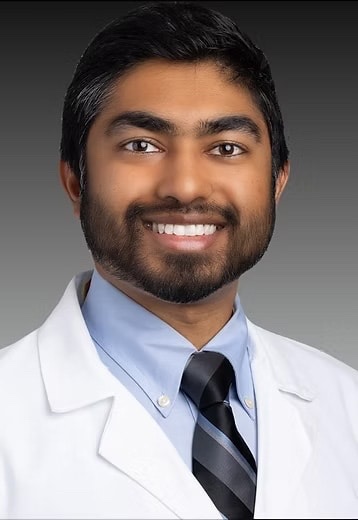
Anvesh K. Annadanam, M.D.
Cornea, cataract, and refractive surgery (LASIK, PRK, ICL, RLE)
- Cornea
- Cataract
- Refractive

Catherine S. Vu-Gia, O.D.
Comprehensive eye exams and specialty contact lenses
- Contact Lenses
- Comprehensive

Ha-Phuong Tran, O.D.
Comprehensive exams and medical/therapeutic contact lenses
- Contact Lenses
- Comprehensive




Related care
Glaucoma Screening & Treatment
Detect glaucoma early and protect your sight for life.
Diabetic Eye Exams
Yearly dilated exams to catch diabetic retinopathy early.
Optical Services
Frames, prescription lenses, and adjustments at all three offices.
This page is for general education and is not a substitute for an exam. Call 911 for a medical emergency.
Ready to schedule?
Request an appointment online or call the office closest to you.
- Falls Church(703) 534-3900
- Fairfax(703) 620-2701
- Alexandria(703) 922-0906