Laser Vision Correction
LASIK & PRK laser vision correction
In short
LASIK and PRK are laser procedures that reshape the cornea to correct nearsightedness, farsightedness, and astigmatism. LASIK uses a thin corneal flap and offers very fast visual recovery; PRK treats the surface without a flap and heals more slowly but can be safer for thin corneas or contact sports.
- Who it's for
- Adults 18+ with a stable prescription and healthy eyes
- Procedure time
- About 15 minutes for both eyes; the laser itself takes seconds
- Recovery
- LASIK: most people resume normal activity the next day. PRK: several days of discomfort, about a week to resume routines
- Insurance
- Usually not covered; considered elective
- Offered at
- Falls Church · Fairfax · Alexandria
What vision problems can LASIK and PRK correct?
- Nearsightedness (myopia) — distant objects look blurry
- Farsightedness (hyperopia) — close objects look blurry
- Astigmatism — blur or distortion from an irregularly curved cornea
- Presbyopia — age-related difficulty reading up close; options such as monovision may help
What is the difference between LASIK and PRK?
In LASIK, the surgeon creates a thin, hinged flap in the cornea, reshapes the tissue beneath with an excimer laser, and lays the flap back down. Vision often improves within hours.
In PRK, the surface layer of the cornea is gently removed before the laser treatment and grows back over several days under a bandage contact lens. Final results are similar to LASIK, but recovery takes longer.
Your consultation determines which approach — or whether another option such as an implantable collamer lens (ICL) or refractive lens exchange — best fits your eyes.
Am I a good candidate?
- You are at least 18 years old
- Your prescription has been stable for at least a year
- Your eyes are healthy, without uncontrolled dry eye, keratoconus, or active eye disease
- Your corneas are thick and regular enough for safe treatment
- You are not pregnant or nursing
What happens at a LASIK consultation?
- A detailed eye exam with corneal mapping and precise prescription measurements
- A conversation about your vision goals
- A review of which procedures are appropriate, expected recovery, and risks
- Time for your questions
What are the risks and side effects?
Serious, vision-threatening complications are rare. Your surgeon will review your individual risk profile in detail.
- Dry eye — common for weeks to months and usually managed with drops
- Glare, halos, or starbursts at night — usually improve over time
- Under- or overcorrection — occasionally requiring an enhancement procedure
How do I prepare for surgery?
- Stop wearing contact lenses for the period we specify before your measurements
- Skip eye makeup, lotions, and creams on surgery day
- Arrange for someone to drive you home
- Plan to use prescribed drops and attend every follow-up visit
Take the LASIK self-test
A short check of whether laser vision correction may fit your eyes. Nothing you enter is saved or sent.
Start the LASIK self-testFrequently asked questions
Does LASIK hurt?
Numbing drops prevent pain during the procedure. You may feel brief pressure. Afterward, mild burning or scratchiness for a few hours after LASIK — or a few days after PRK — is normal.
What if I blink or move during the procedure?
A small device gently holds your eyelids open, and modern lasers track eye movement and pause automatically if your eye moves out of position.
Are LASIK results permanent?
The corneal reshaping is permanent, but your eyes still age. Most people eventually need reading glasses in their 40s or later because of presbyopia, and other conditions such as cataracts can develop.
Can both eyes be treated on the same day?
Yes, both eyes are commonly treated in the same session, though your surgeon may recommend otherwise in some situations.
Does insurance cover LASIK or PRK?
Most insurance plans consider laser vision correction elective and do not cover it. Some plans offer discounts, and HSA or FSA funds can often be used.
Doctors who provide this care

Mary Beth McAteer, M.D.
Cataract and refractive (LASIK/PRK) surgery; comprehensive eye care
- Cataract
- Refractive
- Comprehensive
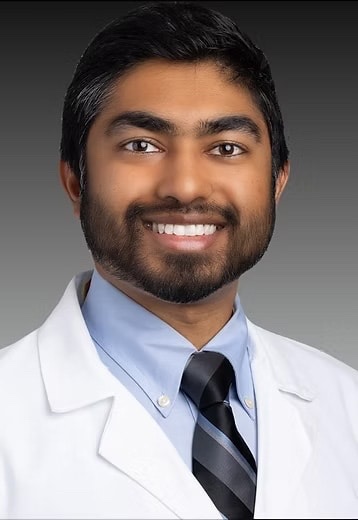
Anvesh K. Annadanam, M.D.
Cornea, cataract, and refractive surgery (LASIK, PRK, ICL, RLE)
- Cornea
- Cataract
- Refractive
Related care
Refractive Lens Exchange (RLE)
Lens-based vision correction for presbyopia and high prescriptions.
LASIK Self-Test
A short check of whether laser vision correction may fit you.
Contact Lens Fittings
Comfortable, healthy contacts — including specialty lenses.
This page is for general education and is not a substitute for an exam. Call 911 for a medical emergency.
Ready to schedule?
Request an appointment online or call the office closest to you.
- Falls Church(703) 534-3900
- Fairfax(703) 620-2701
- Alexandria(703) 922-0906