
Cornea Care
Cornea disease & corneal transplant
In short
The cornea is the clear front window of the eye. When disease or injury makes it swollen, scarred, or irregular, vision becomes blurry. NVOA's fellowship-trained cornea surgeons diagnose and treat corneal conditions and perform partial-thickness (DMEK, DSEK) and full-thickness (PKP) corneal transplants.
- Who it's for
- People with Fuchs dystrophy, keratoconus, corneal scarring, or corneal swelling after earlier eye surgery
- Transplant types
- DMEK, DSEK, PKP
- Related care
- Specialty and scleral contact lenses for irregular corneas
- Offered at
- Falls Church · Fairfax · Alexandria
What corneal conditions do we treat?
- Fuchs endothelial dystrophy — gradual corneal swelling that causes morning blur and glare
- Keratoconus — thinning and bulging of the cornea that distorts vision
- Corneal swelling after cataract or other eye surgery (pseudophakic bullous keratopathy)
- Corneal scars from infection or injury
- Complex cataracts in eyes with corneal disease
What is a corneal transplant?
A corneal transplant replaces damaged corneal tissue with healthy donor tissue. Modern partial-thickness procedures replace only the diseased layer, which usually means faster recovery and a lower rejection risk than a full-thickness transplant.
- DMEK (Descemet membrane endothelial keratoplasty) — replaces the thinnest inner layer; often used for Fuchs dystrophy
- DSEK (Descemet stripping endothelial keratoplasty) — replaces the inner layer with slightly thicker donor tissue
- PKP (penetrating keratoplasty) — replaces the full thickness of the central cornea when all layers are affected
Are there options besides surgery for keratoconus?
Many people with keratoconus see well with specialty contact lenses such as rigid gas permeable or scleral lenses. NVOA optometrists fit these lenses and work closely with our cornea surgeons when surgical care is needed.
Frequently asked questions
How long does it take to recover from a corneal transplant?
Recovery depends on the procedure. After DMEK or DSEK, many patients notice improvement within weeks, while full-thickness transplants can take many months to reach final vision. You will need regular follow-up visits and eye drops.
Can a cataract and a corneal transplant be done together?
In some cases, yes. Your surgeon may recommend combining or staging the procedures depending on the health of your cornea.
Where does donor corneal tissue come from?
Donor corneas come from eye banks that carefully screen and test tissue for safety.
Doctors who provide this care
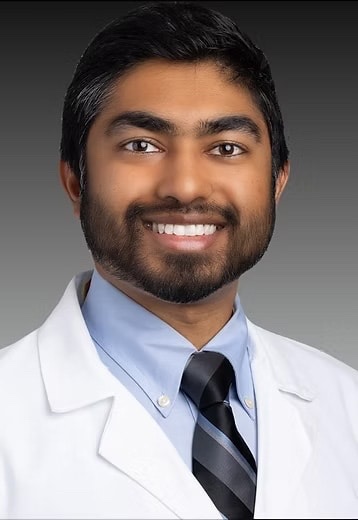
Anvesh K. Annadanam, M.D.
Cornea, cataract, and refractive surgery (LASIK, PRK, ICL, RLE)
- Cornea
- Cataract
- Refractive

Catherine S. Vu-Gia, O.D.
Comprehensive eye exams and specialty contact lenses
- Contact Lenses
- Comprehensive

Ha-Phuong Tran, O.D.
Comprehensive exams and medical/therapeutic contact lenses
- Contact Lenses
- Comprehensive

Related care
Contact Lens Fittings
Comfortable, healthy contacts — including specialty lenses.
Cataract Surgery & Lens Replacement
Replace a cloudy lens and choose the vision you want afterward.
LASIK & PRK
Reshape the cornea to reduce dependence on glasses and contacts.
This page is for general education and is not a substitute for an exam. Call 911 for a medical emergency.
Ready to schedule?
Request an appointment online or call the office closest to you.
- Falls Church(703) 534-3900
- Fairfax(703) 620-2701
- Alexandria(703) 922-0906